Google Veo 3 vs RunwayML: which one to choose in 2026?

Community ratings, features, pricing and free plans: the complete head-to-head between Google Veo 3 and RunwayML to find the right tool for your needs.

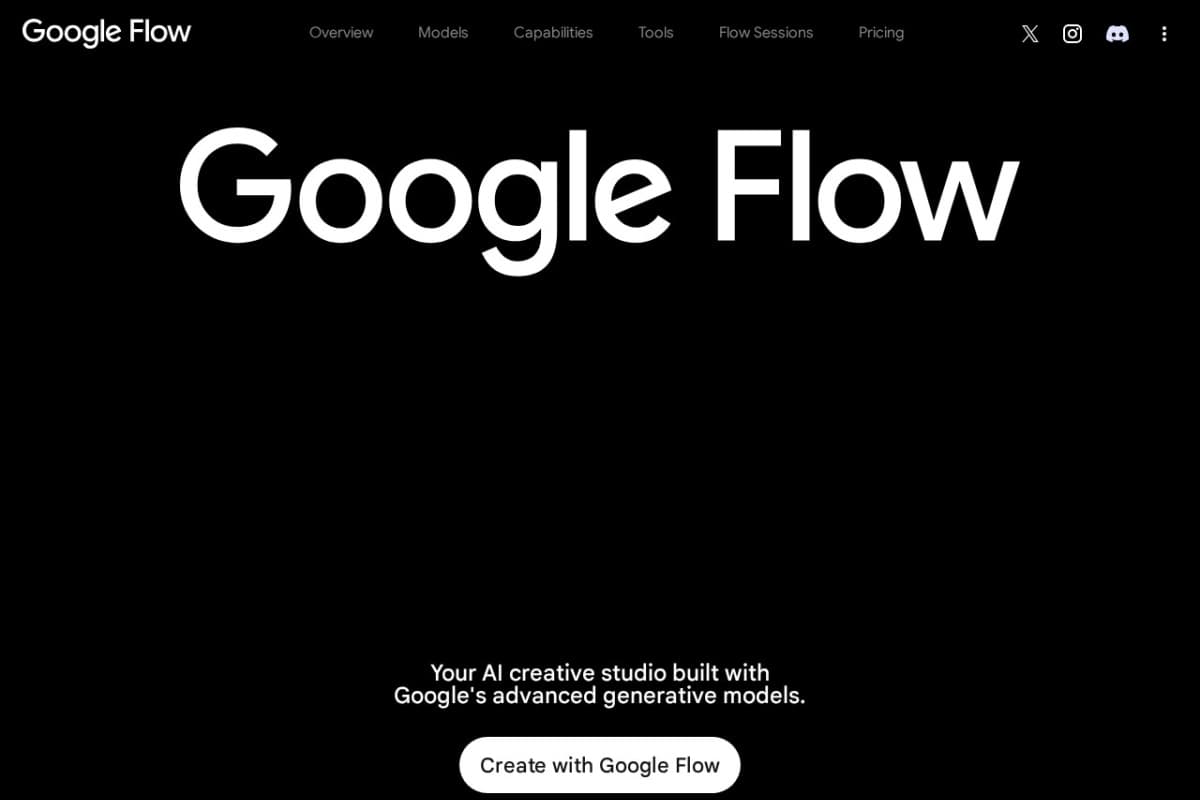
Screenshot of Google Veo 3
Verified

Google Veo 3

4.6 (287)

Veo 3 is Google DeepMind's video generation model, now available as version 3.1 through the Flow creation tool and the Gemini app. It produces 8-second clips in high definition, with a fine-grained understanding of cinematic styles and camera movements. Its standout strength is native audio generation: dialogue, sound effects and ambient sound are created alongside the visuals and perfectly synchronized, which sets it apart from most video generators.

Text to VideoVideo Generator

Screenshot of RunwayML
Verified

RunwayML

4.5 (302)

Runway has established itself as the AI video creation studio of choice for professionals, with credits that extend all the way to Hollywood productions. Its flagship Gen-4.5 model turns text or an image into cinematic video footage, while Aleph edits an existing shot from a simple written instruction. The toolkit also covers automatic green screen, slow motion and plenty of other magic touch-ups.

Text to VideoVideo Editor

Comparison table

CriterionGoogle Veo 3RunwayML
Average rating4.64.5
Number of reviews287302
Free planNoNo
PlansGoogle AI Plus, Google AI Pro, Google AI UltraBasic, Standard, Pro
CategoriesText to Video, Video GeneratorText to Video, Video Editor
Last updatedJuly 8, 2026July 8, 2026

See all tools in these categories: Text to Video

Our verdict

Google Veo 3 or RunwayML?

Google Veo 3 (4.6/5) and RunwayML (4.5/5) earn very similar ratings from our community: the choice mostly comes down to your use case.

Positioning-wise, Google Veo 3 stands out in Video Generator, while RunwayML focuses on Video Editor.

Features head to head

Google Veo 3

  • Native audio generation: dialogue, sound effects and ambient sound synchronized with the visuals
  • 8-second high-definition clips that can be extended and assembled into sequences in Flow
  • Ingredients to Video: up to three reference images to guide characters and settings
  • Cinematic control: camera movements, first and last frame, 16:9 or 9:16 aspect ratio
  • Available through Flow, the Gemini app, AI Studio and the Gemini API

RunwayML

  • Realistic video generation from text or images
  • Editing of existing shots via text instructions with Aleph
  • Precise control over camera movements
  • Video background removal without a green screen
  • Editing tools: slow motion, image expansion, cleanup
  • Team collaboration on shared projects

Pricing compared

Google Veo 3

Google AI Plus

  • €7.99 per month
  • 200 monthly credits for Flow
  • Video generation with the fast version of Veo

Google AI Pro

  • €21.99 per month
  • Access to Flow with around 1,000 monthly credits
  • Fast generation with Veo 3 plus editing features
  • Includes the most advanced Gemini models and 2 TB of storage

Google AI Ultra

  • €274.99 per month
  • 25,000 monthly credits for Flow
  • Veo 3 at maximum quality and early access to new features

RunwayML

Basic

  • Free
  • 125 credits included at sign-up
  • Watermarked exports

Standard

  • $12 per month
  • 625 monthly credits
  • Watermark-free exports
  • Access to Gen-4.5 and partner models (Veo, Kling...)

Pro

  • $28 per month
  • 2,250 monthly credits
  • Custom voices and expanded storage

Prices are indicative and may change — check the official sites for up-to-date pricing.

Frequently asked questions

What is the difference between Google Veo 3 and RunwayML?

Both tools share the Text to Video space, but Google Veo 3 also covers Video Generator, while RunwayML adds Video Editor.

Google Veo 3 or RunwayML: which one is rated higher?

The two tools are neck and neck: Google Veo 3 shows 4.6/5 (287 reviews) and RunwayML 4.5/5 (302 reviews).

Can you use Google Veo 3 or RunwayML for free?

Google Veo 3 does not offer a free plan as far as we know, and RunwayML does not offer a free plan as far as we know.

Other comparisons